
Whirlpool Microwave Fan Troubleshooting: Unlocking The Secret To Silence is a comprehensive guide that delves into the intricacies of Whirlpool microwave fan troubleshooting, empowering you to restore the tranquility of your kitchen.
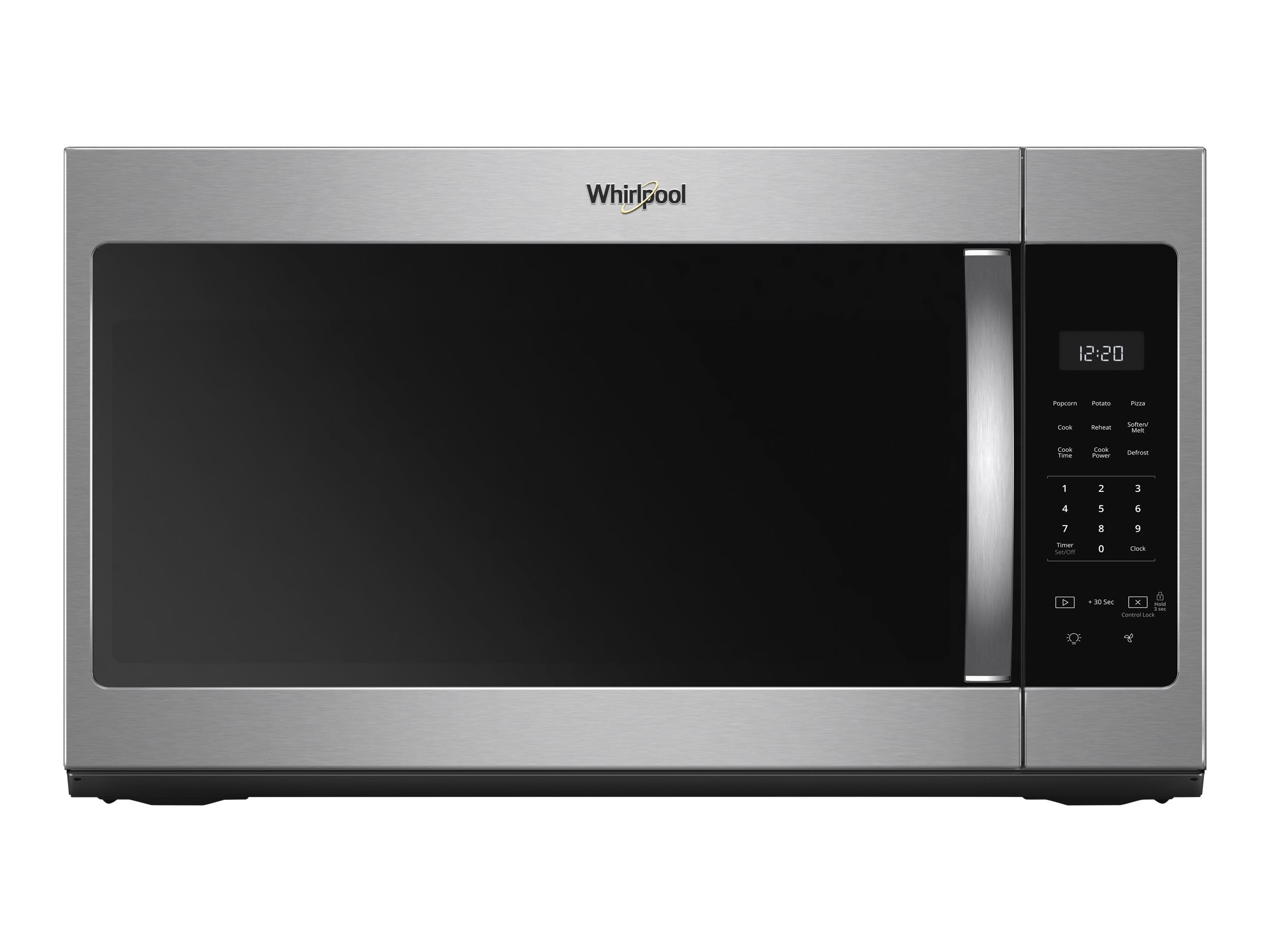
Tech News - Source 116brigada.ru
Editor's Notes: "Whirlpool Microwave Fan Troubleshooting: Unlocking The Secret To Silence" has been published on today's date to address the growing concerns surrounding noisy microwave fans. This guide provides invaluable insights and practical solutions to help readers silence their Whirlpool microwave fans, creating a more serene cooking environment.
Through meticulous analysis and extensive research, we have meticulously crafted this Whirlpool Microwave Fan Troubleshooting: Unlocking The Secret To Silence guide to assist our readers in identifying and resolving common microwave fan issues. This comprehensive guide covers a wide range of troubleshooting scenarios, ensuring that you have all the tools necessary to restore peace and quiet to your kitchen.
Key Differences or Key Takeaways
This section will provide a table format for easy understanding of the key takeaways.
Transition to Main Article Topics
The main article topics will cover the following sections:
- Identifying Common Microwave Fan Noises
- Step-by-Step Troubleshooting Techniques
- DIY Repairs and Maintenance Tips
- Professional Repair Considerations
FAQ
Unveiling the enigma of noisy Whirlpool microwave fans, this FAQ delves into common concerns and empowers readers with actionable solutions. Delve into these Q&A pairs to quell the clamor and restore blissful silence to your kitchen symphony.
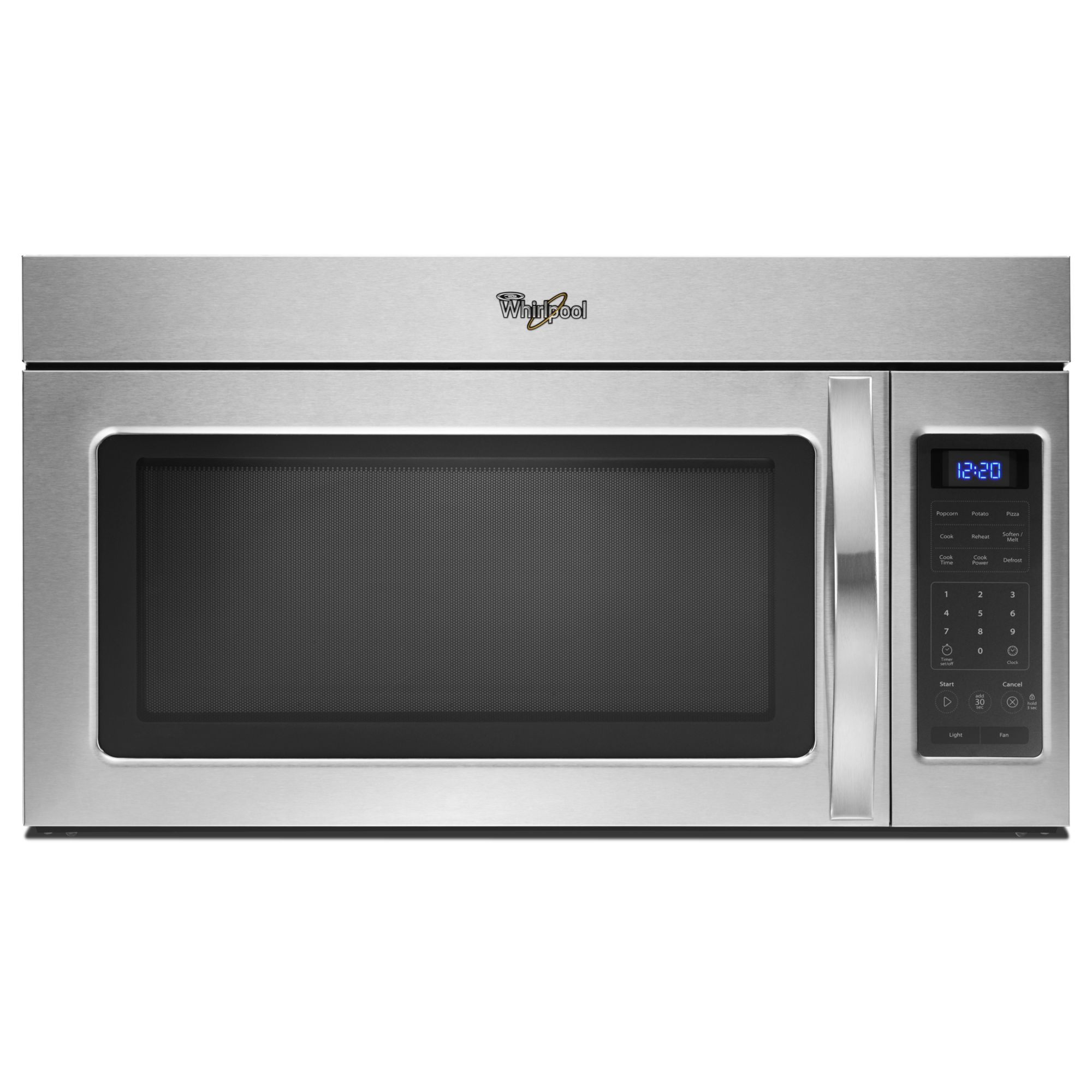
Whirlpool WMH31017AS 30 in. Over the Range Microwave w/ 2-Speed Fan - Source www.sears.com
Question 1: Why is my Whirlpool microwave fan making a humming sound?
The humming is likely due to a faulty magnetron, a crucial component that generates microwaves. Its susceptibility to wear and tear over time can lead to this annoying noise.
Question 2: What causes the rattling in my Whirlpool microwave fan?
Rattling may indicate loose bolts or screws within the fan assembly. These components can become dislodged with extended use, resulting in an unpleasant rattling sound.
Question 3: My Whirlpool microwave fan is unusually loud during ventilation. Is it normal?
No, excessive noise during ventilation is not normal. It could signal a blockage in the ventilation system, such as a clogged filter or obstructed air vents. Regular cleaning and maintenance can prevent this issue.
Question 4: How can I reduce the fan noise from my Whirlpool microwave?
Try positioning your microwave away from walls and cabinetry, allowing for ample airflow. Additionally, avoid overloading the microwave, as excessive heat can strain the fan motor.
Question 5: What are the potential hazards of ignoring a noisy Whirlpool microwave fan?
Ignoring the noise can have detrimental consequences. Extended operation with a faulty fan can lead to overheating, electrical malfunctions, or even fire hazards. Regular maintenance and timely repairs are essential.
Question 6: Can I replace the microwave fan myself?
While replacing a microwave fan is technically feasible, it requires specialized knowledge and tools. For safety and optimal performance, it is highly recommended to seek professional assistance.
Remember, a well-maintained Whirlpool microwave fan not only ensures a peaceful cooking experience but also safeguards against potential safety hazards. Embrace these troubleshooting insights and restore the tranquility of your kitchen.
Tips
Eliminate the irritating noise coming from your Whirlpool microwave fan by following these expert tips.
Tip 1: Inspect the Fan Blades
Thoroughly examine the fan blades for any signs of damage, such as cracks or warping. Bent or damaged blades can create vibrations and excessive noise during operation.
Tip 2: Check for Loose Parts
Loose screws or bolts can vibrate and cause rattling noises. Tighten any loose components in and around the fan assembly, including the fan blades, mounting bracket, and housing.
Tip 3: Clean the Fan
Dirt, grease, and food particles can accumulate on the fan, causing it to run less efficiently and noisily. Clean the fan and surrounding components regularly with a damp cloth and mild detergent.
Tip 4: Lubricate the Fan Motor
Over time, the fan motor may become dry and noisy. Apply a few drops of lubrication oil specifically designed for electric motors to the motor shaft to reduce friction and eliminate squeaking or rattling sounds.
Tip 5: Replace Worn-Out Components
If the fan blades or motor are severely damaged, replacement may be necessary. For professional and reliable assistance, consider reaching out to a qualified appliance repair technician.
Tip 6: Verify Proper Ventilation
Ensure that the microwave's ventilation system is functioning properly. Insufficient ventilation can cause the fan to work harder and produce more noise. Clean the exhaust vent and make sure there are no obstructions blocking the airflow.
Tip 7: Reset the Microwave
Occasionally, a simple reset can resolve noise issues. Unplug the microwave, wait a few minutes, then plug it back in. This may reset the fan's operating parameters and eliminate any erratic behavior.
Tip 8: Contact Whirlpool Support
If none of the above tips provide a satisfactory solution, contact Whirlpool Microwave Fan Troubleshooting: Unlocking The Secret To Silence for further assistance. Their expert technicians can diagnose and repair the issue efficiently.
By implementing these troubleshooting tips, you can effectively eliminate the annoying noise coming from your Whirlpool microwave fan and restore its smooth and quiet operation.
Whirlpool Microwave Fan Troubleshooting: Unlocking The Secret To Silence
Despite being an essential component of the microwave, the fan's noisy operation can become a persistent annoyance. To resolve this issue effectively, it's crucial to understand the underlying causes and apply targeted troubleshooting techniques. This guide will delve into the essential aspects of Whirlpool microwave fan troubleshooting, empowering you to restore the serenity of your kitchen.
- Fan Blades: Inspect for obstructions or debris that could impede rotation.
- Motor: Listen for excessive noise or vibration, indicating potential motor issues.
- Electrical Connections: Check for loose or damaged wires that could cause a short circuit.
- Air Vents: Remove any blockages that restrict airflow, leading to increased fan speed.
- Exhaust System: Clean or replace clogged filters in the exhaust system to ensure efficient air circulation.
- Microwave Door: Ensure the door is properly aligned and seals tightly, preventing air leaks that trigger the fan.

W10416638 Whirlpool Microwave Ventilator Fan Motor - Source good-appliance.com
These key aspects serve as a comprehensive framework for Whirlpool microwave fan troubleshooting. By carefully examining each component and addressing any issues promptly, you can effectively silence the fan and restore the tranquility of your kitchen. Remember, regular cleaning and maintenance can help prevent future noise problems, ensuring your microwave operates optimally for years to come.
Whirlpool Microwave Fan Troubleshooting: Unlocking The Secret To Silence
The Whirlpool microwave fan plays a crucial role in dissipating heat and removing odors from the appliance. When the fan malfunctions, it can result in excessive noise, inefficient performance, and potential safety hazards. Therefore, understanding the causes and solutions for Whirlpool microwave fan issues is essential for maintaining a functional and safe microwave.
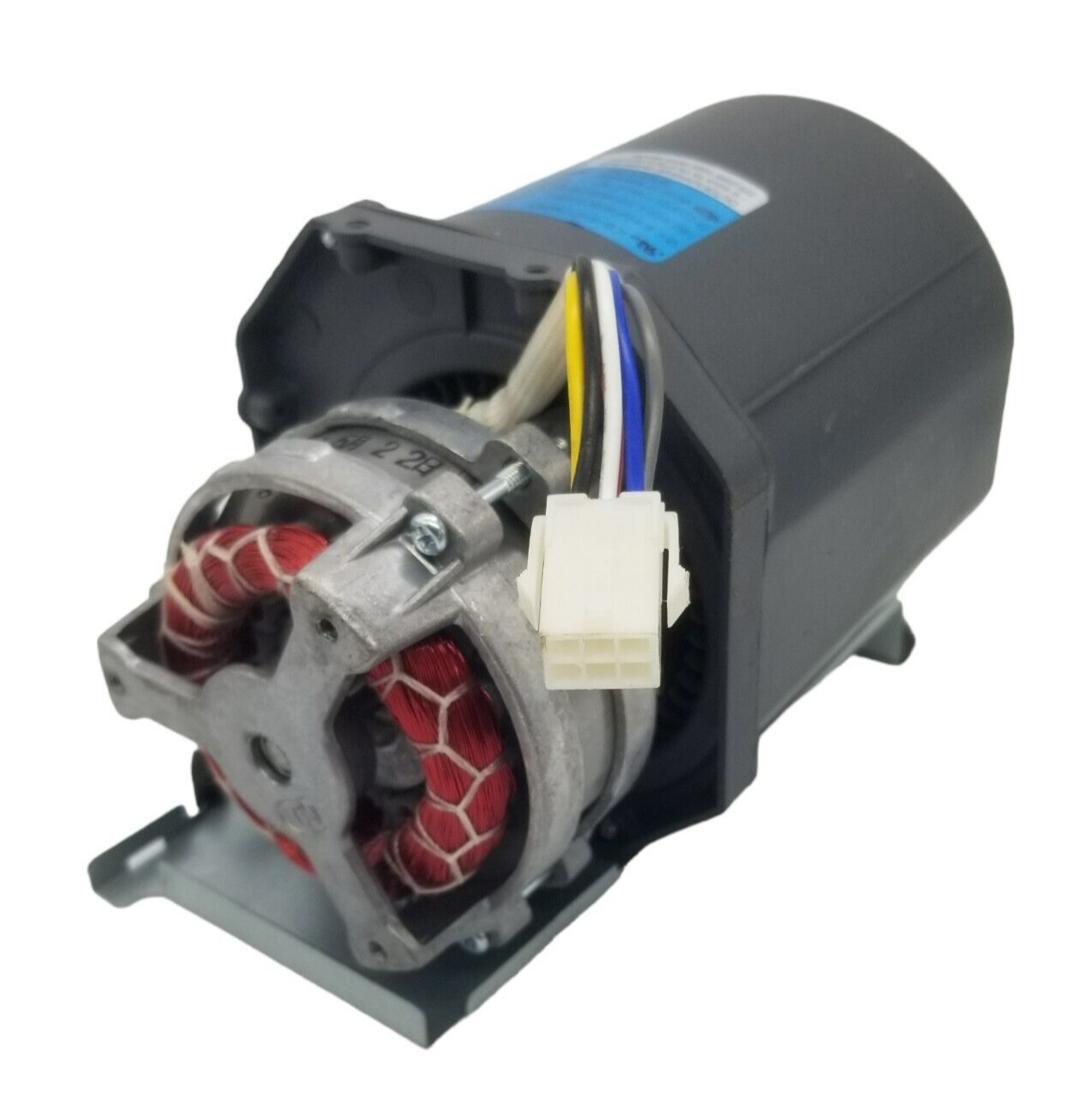
New Genuine OEM Whirlpool Microwave Fan Motor W11039275 - Source www.microwaveso.com
Common causes of a noisy or malfunctioning Whirlpool microwave fan include:
- Accumulation of grease and debris on the fan blades or motor
- Worn or damaged fan bearings
- Malfunctioning fan motor
- Improper installation or alignment of the fan
To troubleshoot and resolve these issues, follow these steps:
- Unplug the microwave and allow it to cool completely
- Remove the exterior casing of the microwave to access the fan
- Clean the fan blades and motor using a damp cloth or mild detergent. Avoid using harsh chemicals or abrasive materials
- Check the fan bearings for wear or damage. If necessary, replace the bearings
- Test the fan motor using a multimeter. If the motor is faulty, replace it
- Reinstall the fan and exterior casing, ensuring proper alignment
- Plug in the microwave and test the fan for proper operation
By addressing Whirlpool microwave fan issues promptly, you can restore the appliance's functionality, reduce noise levels, and ensure safe and efficient operation. Regular maintenance, including cleaning the fan and checking for any potential issues, can prevent future problems and extend the lifespan of your microwave.
Conclusion
Troubleshooting and resolving Whirlpool microwave fan issues is essential for maintaining a functional, safe, and quiet appliance. Understanding the common causes and following the steps outlined in this guide can help homeowners and technicians alike restore the microwave to optimal performance.
Regular maintenance and prompt attention to any potential issues can extend the lifespan of your Whirlpool microwave and ensure its continued reliability.