
Troubleshooting Wet Dishwasher Interior In Whirlpool Appliances
Editor's Notes: "Troubleshooting Wet Dishwasher Interior In Whirlpool Appliances" have published today date". This topic important to read because...
We’re give you a hand to troubleshoot a wet dishwasher interior in Whirlpool appliances. We put together this guide to help you make the right decision.
FAQ: Troubleshooting Wet Dishwasher Interior In Whirlpool Appliances
A wet dishwasher interior after a wash cycle can be a sign of various underlying issues. If encountering this problem, it's essential to understand the potential causes and explore effective troubleshooting methods.
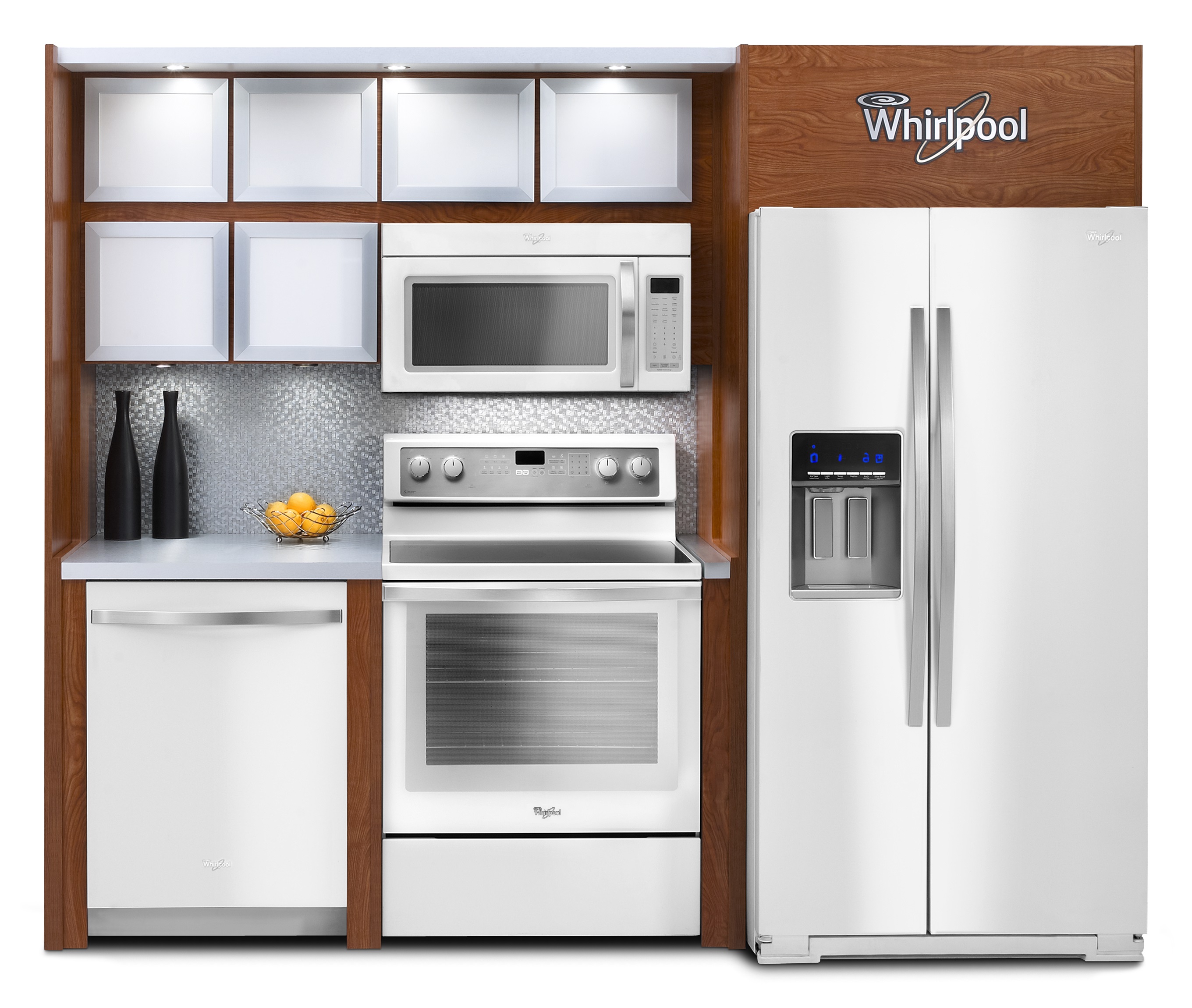
Getting the Most Our of Your New Kitchen Appliances - UrbanMoms - Source urbanmoms.ca
Question 1: Why is there water left in the bottom of my Whirlpool dishwasher even after it has finished a cycle?
Several factors can contribute to water retention in the dishwasher, including a clogged drain hose, a faulty drain pump, or a malfunctioning water inlet valve. Addressing these components may resolve the issue.
Question 2: Is it normal for my Whirlpool dishwasher to have some water in the bottom after the cycle ends?
A small amount of water remaining in the bottom of the dishwasher is usually normal and aids in keeping the seals moist. However, excessive water accumulation warrants further investigation.
Question 3: How can I unclog the drain hose of my Whirlpool dishwasher?
Check for any kinks or blockages in the drain hose. If there are noticeable obstructions, clear them by hand or use a wet/dry vacuum to remove any debris or food particles.
Question 4: What are the signs of a faulty drain pump in a Whirlpool dishwasher?
A faulty drain pump may exhibit symptoms like unusual noises during the drain cycle, incomplete water drainage, or the dishwasher failing to drain altogether. If these issues persist, inspecting the drain pump is advisable.
Question 5: Can a malfunctioning water inlet valve cause a wet dishwasher interior?
Yes, a malfunctioning water inlet valve can lead to excessive water entering the dishwasher. This can result in water overflow and a wet dishwasher interior even after the cycle has finished.
Question 6: What should I do if I've tried all the troubleshooting steps and my Whirlpool dishwasher still has a wet interior?
If the issue persists despite following the troubleshooting steps, it's recommended to contact an authorized Whirlpool service technician for professional diagnosis and repair.
By understanding the potential causes and implementing the appropriate troubleshooting methods, users can address the issue of a wet dishwasher interior and ensure optimal appliance performance.
Tips for Troubleshooting Wet Dishwasher Interior in Whirlpool Appliances
Addressing excess moisture in the interior of a Whirlpool dishwasher is crucial for both the appliance's performance and preventing mold growth. Here are several practical tips to effectively troubleshoot the issue:
Tip 1: Check the Door Seal
Inspect the rubber gasket around the dishwasher door for any tears, gaps, or wear. A compromised seal allows water to leak into the interior, resulting in a wet dishwasher.
Tip 2: Inspect the Drain Hose
Ensure the drain hose is properly attached to the dishwasher and the sink drain. A kinked, clogged, or disconnected hose can prevent water from draining effectively, leading to standing water.
Tip 3: Check the Air Vent
Whirlpool dishwashers have an air vent that allows for proper air circulation. Check if the vent is blocked or clogged, as this can trap moisture inside the appliance.
Tip 4: Use a Rinse Aid
Dishwashing detergents alone may not be sufficient to prevent water spots and streaks. Using a rinse aid helps sheets of water drain off dishes more easily, reducing residual moisture.
Tip 5: Adjust the Drain Cycle
If the dishwasher is not draining properly, adjust the drain cycle in the appliance's settings. Increasing the drain time or selecting a more intensive drain cycle can help remove excess water.
Tip 6: Clean the Filter
The dishwasher filter collects food particles and debris, which can clog the drain system. Clean the filter regularly to ensure proper water flow and prevent blockages.
Tip 7: Check the Heating Element
The heating element in a dishwasher helps dry the dishes. If the heating element is faulty or not heating properly, the dishes may not dry completely, leaving excess moisture.
Tip 8: Call a Technician
If you have checked and resolved all the potential causes, but the dishwasher interior remains wet, it may be necessary to contact a qualified appliance technician for further diagnosis and repairs.
By following these tips, you can effectively troubleshoot and resolve excess moisture issues in your Whirlpool dishwasher. Regular maintenance and prompt attention to any problems will ensure optimal performance and prevent damage to your appliance.
For more comprehensive information, refer to Whirlpool's resource on Troubleshooting Wet Dishwasher Interior In Whirlpool Appliances. This in-depth guide provides detailed instructions and troubleshooting steps for various models of Whirlpool dishwashers.
Troubleshooting Wet Dishwasher Interior In Whirlpool Appliances
Thorough troubleshooting is key to resolving a wet dishwasher interior, considering various factors such as water source, drainage, and potential leaks.
- Check Water Supply: Ensure sufficient water pressure and a leak-free connection to the dishwasher.
- Inspect Drain Hose: Clear any clogs or kinks in the drain hose that may obstruct water flow.
- Examine Door Seal: Damaged or misaligned door seals can allow water to seep inside.
- Investigate Float Switch: A faulty float switch can fail to trigger the pump, resulting in excessive water retention.
- Check Water Valve: A malfunctioning water valve can lead to continuous water flow into the dishwasher.
- Inspect Drain Pump: A clogged or broken drain pump can hinder water removal.
By addressing these essential aspects systematically, you can effectively troubleshoot a wet dishwasher interior in Whirlpool appliances, ensuring optimal performance and a dry and clean interior.

Who Makes The Best Dishwasher 2024 Uk - Willa Junina - Source stevanawtyne.pages.dev

Best Ge Dishwasher 2024 - Ilyssa Karlene - Source jenaqortensia.pages.dev
Troubleshooting Wet Dishwasher Interior In Whirlpool Appliances
Identifying the cause of a wet dishwasher interior in Whirlpool appliances is crucial for effective troubleshooting. Several factors can contribute to this issue, including faulty components, incorrect usage, and external influences. Understanding the connection between these factors and the resulting wet interior helps technicians and homeowners alike resolve the problem efficiently.

Dishwasher Troubleshooting: How to Fix it Without Calling A Repairman - Source www.bluebell-inn.net
One common cause of a wet dishwasher interior is a malfunctioning water inlet valve. This valve regulates the flow of water into the dishwasher, and if it fails to close properly, excess water can accumulate inside the appliance. Another potential culprit is a leaky door gasket, which allows water to escape during the wash cycle. Additionally, using too much detergent or rinse aid can create excessive suds, which can prevent the dishwasher from draining properly and lead to a wet interior.
Understanding the connection between these factors and the resulting wet interior is essential for effective troubleshooting. By identifying the underlying cause, technicians can implement appropriate solutions, such as replacing faulty components, tightening loose connections, or adjusting usage habits. This systematic approach ensures efficient resolution of the problem, preventing further damage or inconvenience.
Troubleshooting a wet dishwasher interior in Whirlpool appliances requires a comprehensive understanding of the various factors that can contribute to this issue. By considering the cause and effect relationships between these factors and the practical significance of this understanding, technicians and homeowners can effectively identify and resolve the problem, ensuring optimal performance of the appliance.
Conclusion
Addressing a wet dishwasher interior in Whirlpool appliances involves a systematic troubleshooting approach that considers various potential causes, ranging from faulty components to usage patterns. Understanding the connection between these factors and the resulting issue empowers technicians and homeowners alike to identify and resolve the problem effectively.
The practical significance of this understanding extends beyond resolving the immediate issue. By addressing underlying causes, such as faulty water inlet valves or leaky door gaskets, users can prevent further damage or inconvenience and ensure the longevity of their Whirlpool appliance. Additionally, understanding proper usage habits, such as avoiding excessive detergent or rinse aid, contributes to optimal performance and energy efficiency.