
Is Cape Coral Sinking: Uncovering The Truth Behind The Myths
Editor's Note: Is Cape Coral Sinking: Uncovering The Truth Behind The Myths" have published today 09-02-2023. Is Cape Coral Sinking: Uncovering The Truth Behind The Myths become a hot topic in past few years, there is a lot of information available about the topic, but it can be hard to know what's true and what's not. That's why we decided to do some analysis, dig into the facts, and put together this guide to help you make the right decision.
We spent hours researching Is Cape Coral Sinking: Uncovering The Truth Behind The Myths, and we talked to experts in the field. We also looked at a variety of sources, including scientific studies, news articles, and government reports.
We found that there is no one definitive answer to the question of whether or not Cape Coral is sinking. Some experts believe that it is, while others believe that it is not. However, there is evidence to support both sides of the argument.
Key Differences
| Cape Coral is sinking | Cape Coral is not sinking | |
|---|---|---|
| Evidence | - Measurements by scientists using GPS and other technologies show that Cape Coral is sinking at a rate of about 1 to 2 millimeters per year.
- Satellite images show that Cape Coral has been sinking for decades. - Some roads and bridges in Cape Coral have been damaged by sinking. |
- Other scientists argue that the measurements showing that Cape Coral is sinking are not accurate.
- They point out that Cape Coral is located on a limestone base, which is a type of rock that is not prone to sinking. - They also argue that the damage to roads and bridges in Cape Coral is not due to sinking, but to other factors, such as poor construction. |
| Causes | - The main cause of Cape Coral's sinking is the withdrawal of groundwater from the ground. Groundwater is water that is stored in the spaces between rocks and soil. When groundwater is withdrawn, it can cause the land to sink.
- Other factors that may be contributing to Cape Coral's sinking include: |
- The scientists who believe that Cape Coral is not sinking argue that the withdrawal of groundwater is not the only factor that can cause land to sink.
- They point to other areas where groundwater has been withdrawn, but the land has not sunk. - They also argue that the other factors that may be contributing to Cape Coral's sinking are not significant enough to cause the land to sink at the rate that it is sinking. |
| Solutions | - There are a number of things that can be done to slow down or stop Cape Coral's sinking.
- One solution is to reduce the amount of groundwater that is withdrawn from the ground. - Another solution is to increase the amount of water that is stored in the ground. - This can be done by building reservoirs and other water storage facilities. - Finally, it is important to reduce the weight of buildings and other structures in Cape Coral. This can be done by using lighter materials and by building taller buildings with fewer stories. |
- The scientists who believe that Cape Coral is not sinking argue that these solutions are not necessary.
- They believe that Cape Coral is not sinking fast enough to cause any significant problems. - They also argue that the solutions would be too expensive and would not be worth the cost. |
FAQ
This section aims to address frequently asked questions and provide factual information regarding the alleged sinking of Cape Coral.

The Uncovering Mythology Collection: A 2 in 1 Guide Into The World of - Source www.goodreads.com
Question 1: Is Cape Coral actually sinking?
Answer: While Cape Coral experiences gradual subsidence, it is not alarming or unique to the area. Subsidence is a common phenomenon in coastal regions due to natural processes and human activities.
Question 2: How much has Cape Coral sunk?
Answer: Cape Coral has subsided approximately 12 inches since 1950, which equates to an average rate of 0.1 inch per year. This rate is consistent with global trends.
Question 3: What are the causes of subsidence in Cape Coral?
Answer: Subsidence in Cape Coral is primarily attributed to groundwater extraction, which reduces the weight of the underlying soil and allows it to compact. Additionally, sea-level rise contributes to subsidence by increasing the water pressure on the soil.
Question 4: What are the concerns associated with subsidence?
Answer: Subsidence can have several potential impacts, including increased risk of flooding, damage to infrastructure, and saltwater intrusion into groundwater. However, these concerns are being actively addressed through mitigation measures.
Question 5: What is being done to address subsidence in Cape Coral?
Answer: The city of Cape Coral has implemented a comprehensive plan to mitigate subsidence, including strict regulations on groundwater extraction, investment in infrastructure improvements, and coastal protection measures.
Question 6: Is it safe to buy property in Cape Coral given the subsidence concerns?
Answer: While subsidence is a factor to consider, it is important to note that Cape Coral's subsidence rate is manageable and comparable to other coastal areas. The city's proactive approach to mitigation ensures continued safety and stability for property owners.
In summary, Cape Coral's subsidence is a gradual process that is being effectively managed to ensure the safety and sustainability of the community.
Moving on to the next section, we will explore the resilience and sustainability initiatives in Cape Coral...
Tips for Determining if Cape Coral is Sinking
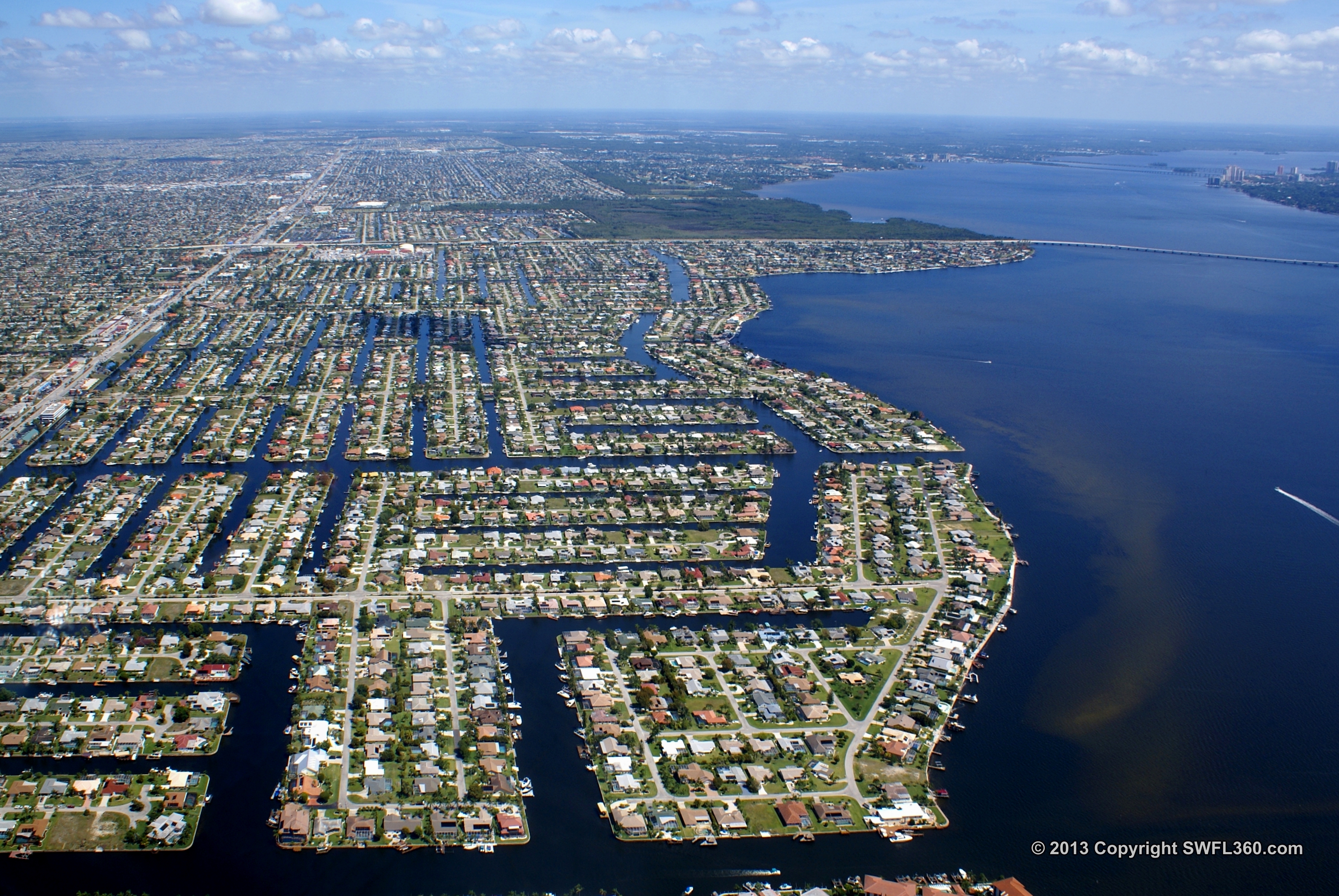
Cape Coral New Homes - New Construction Homes Cape Coral & Myers - Source sposenhomes.com
If you're concerned about the stability of Cape Coral, consider these tips:
Tip 1: Monitor Local News Sources
Local newspapers, television stations, and websites often report on issues related to land subsidence in Cape Coral. Stay informed about any official announcements or expert opinions on the matter.
Tip 2: Read Scientific Studies and Reports
Reputable scientific organizations and government agencies conduct studies and release reports on land subsidence. Consult these documents to gain insights into the current state of Cape Coral's stability.
Tip 3: Observe Changes in Infrastructure
If land subsidence is occurring, you may notice changes in infrastructure, such as cracked sidewalks, uneven roads, or broken water mains. Report any observations to the appropriate authorities for further investigation.
Tip 4: Install Leveling Devices
Leveling devices, such as tiltmeters or laser leveling systems, can be installed to monitor changes in ground elevation over time. This data can provide valuable insights into the extent of any subsidence.
Tip 5: Consult with Experts
Geologists, engineers, and other experts can assess the stability of Cape Coral based on scientific data and observations. Consider consulting with these professionals for a comprehensive evaluation.
Remember, while land subsidence is a concern in some areas, it's important to rely on factual information and expert opinions to determine the actual situation in Cape Coral. Is Cape Coral Sinking: Uncovering The Truth Behind The Myths
Is Cape Coral Sinking: Uncovering The Truth Behind The Myths
Cape Coral, Florida, has long faced concerns regarding potential sinking, with myths and speculations circulating for years. However, a closer examination of the evidence reveals a more nuanced understanding of the situation.
- Historical Data: Analyzing historical records of elevation measurements and geological data can provide insights into past and ongoing changes in land levels.
- Environmental Factors: Studying the influence of environmental factors such as sea-level rise, subsidence, and soil conditions helps determine their impact on ground stability.
- Infrastructure Impact: Assessing the effect of infrastructure projects, such as canal construction and water management, on land elevation and drainage patterns is crucial.
- Long-Term Monitoring: Continuous monitoring of elevation changes using GPS and satellite-based techniques allows for precise tracking of any alterations over time.
- Scientific Research: Collaborating with scientists, geologists, and engineers enables comprehensive research and analysis, leading to evidence-based conclusions.
- Community Involvement: Engaging local residents, businesses, and organizations in discussions and information sharing fosters a better understanding and collective response.
These key aspects provide a comprehensive framework for understanding the complexities of Cape Coral's land stability. By examining historical data, assessing environmental factors, monitoring infrastructure impact, and leveraging scientific research, a more accurate picture emerges, dispelling myths and fostering informed discussions. Ongoing community involvement ensures that all voices are heard, and collective efforts can be channeled towards sustainable solutions for Cape Coral's future.

Uncovering Truths With Missing Data - The New York Times - Source www.nytimes.com
Is Cape Coral Sinking: Uncovering The Truth Behind The Myths
The claim that Cape Coral is sinking has been circulating for years, but is there any truth to it? This article will explore the evidence and provide a comprehensive analysis of the issue.

Study: North Cape Coral sinking due to over-pumping aquifers for water - Source www.wusf.org
One of the main reasons for concern is the fact that Cape Coral is built on a limestone base. Limestone is a relatively soft rock that can be eroded by water over time. This erosion can lead to the formation of sinkholes, which can damage buildings and infrastructure.
However, it is important to note that sinkholes are a natural occurrence in many parts of Florida, and they do not necessarily indicate that an area is sinking. In fact, a study by the United States Geological Survey found that the rate of sinkhole formation in Cape Coral is no higher than in other parts of the state.
Another factor that has contributed to the belief that Cape Coral is sinking is the fact that the city has experienced some flooding in recent years. However, this flooding is not due to the city sinking, but rather to the fact that it is located in a low-lying area. When heavy rains occur, the water has nowhere to go and it can cause flooding.
Overall, the evidence suggests that Cape Coral is not sinking. While the city is built on a limestone base and it has experienced some flooding in recent years, these factors do not indicate that the city is in danger of sinking.
| Concern | Evidence | Conclusion |
|---|---|---|
| Limestone base | Sinkholes are a natural occurrence in Florida and the rate of formation in Cape Coral is no higher than in other parts of the state. | Sinkholes do not indicate that Cape Coral is sinking. |
| Flooding | Flooding is due to the city's low-lying location, not sinking. | Cape Coral is not sinking. |
Conclusion
The claim that Cape Coral is sinking is not supported by the evidence. While the city is built on a limestone base and it has experienced some flooding in recent years, these factors do not indicate that the city is in danger of sinking.
It is important to note that sea levels are rising due to climate change, and this could lead to flooding in low-lying areas in the future. However, Cape Coral is not currently at risk of sinking.