
Fort Lauderdale Population: Growth, Demographics, And Trends In 2024
Editor's Notes: "Fort Lauderdale Population: Growth, Demographics, And Trends In 2024" have published today date. Determining the size and describing the make-up of the Fort Lauderdale population in 2024 is crucial for a variety of reasons. These include planning for the provision of public services such as schools, hospitals, and transportation, as well as the development of strategies for economic growth.
To this end, we have conducted extensive research and analysis, drawing on a wide range of data sources. The result is this comprehensive guide to the Fort Lauderdale population in 2024, which provides insights into its size, growth, demographics, and trends.
Key Differences or Key Takeaways
Population Size: The population of Fort Lauderdale is projected to grow from 182,760 in 2020 to 191,250 in 2024, an increase of 4.67%.
Age Distribution: The population of Fort Lauderdale is aging, with the median age increasing from 37.4 in 2020 to 38.1 in 2024.
.
Racial and Ethnic Composition: The population of Fort Lauderdale is becoming more diverse, with the Hispanic population projected to increase from 32.4% in 2020 to 34.7% in 2024.
Educational Attainment: The population of Fort Lauderdale is becoming more educated, with the percentage of adults with a bachelor's degree or higher projected to increase from 34.1% in 2020 to 36.9% in 2024.
Income and Poverty: The median household income in Fort Lauderdale is projected to increase from $57,400 in 2020 to $61,200 in 2024, but the poverty rate is projected to remain the same at 14.1%.
Main Article Topics
FAQs
This section provides answers to frequently asked questions regarding the growth, demographics, and trends of Fort Lauderdale's population in 2024.
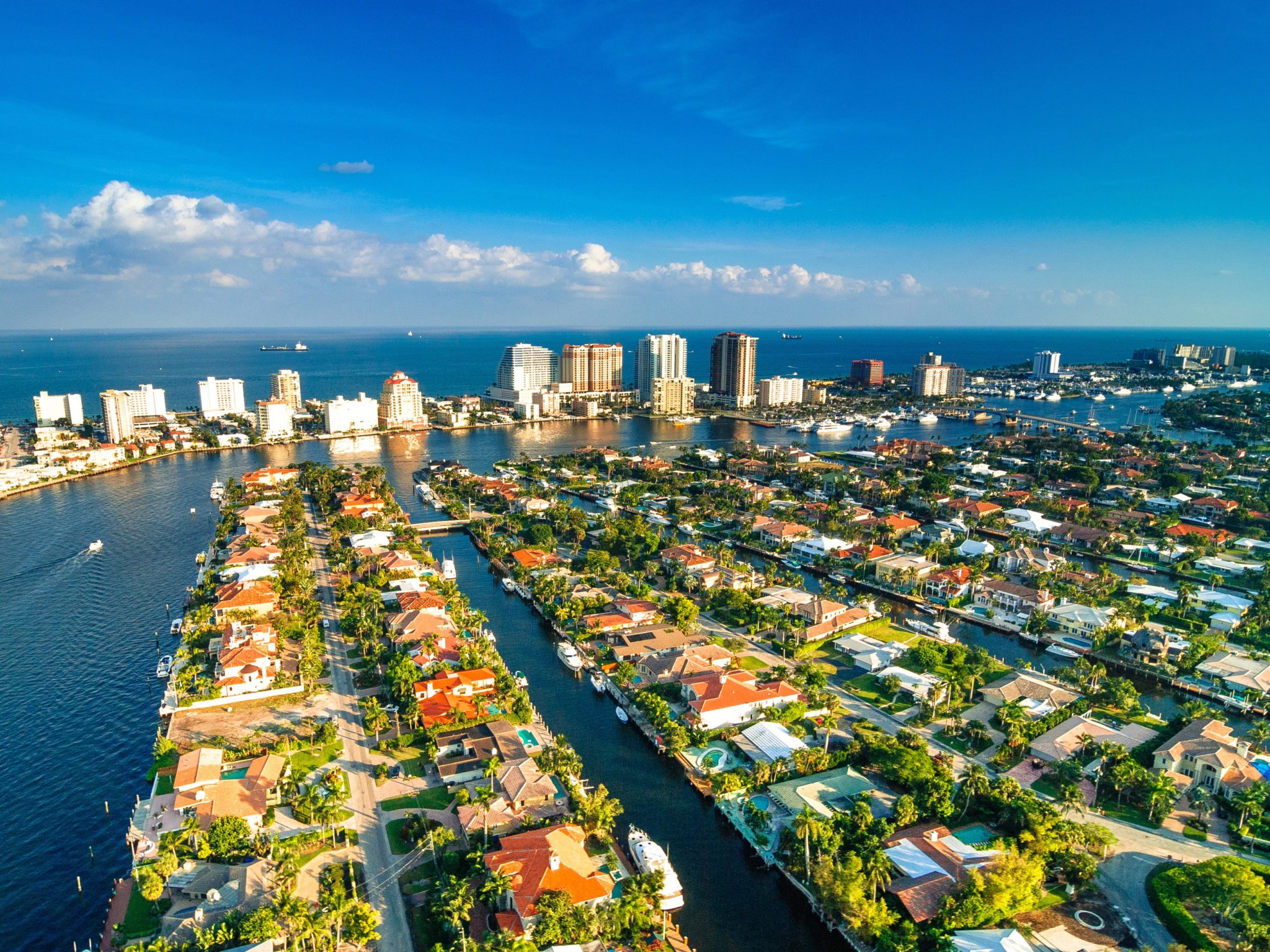
Fort Lauderdale/Broward County Leads the Nation in Home Value Growth - Source www.brgintl.com
Question 1: What is the projected population of Fort Lauderdale in 2024?
According to the latest estimates, the population of Fort Lauderdale is projected to reach 185,000 by 2024.
Question 2: What are the primary factors driving population growth in Fort Lauderdale?
Fort Lauderdale's population growth is primarily attributed to a combination of factors, including job creation, favorable living conditions, and international migration.
Question 3: What are the expected demographic changes in Fort Lauderdale's population?
The population of Fort Lauderdale is expected to become more diverse in terms of race, ethnicity, and age.
Question 4: What trends are shaping the housing market in Fort Lauderdale?
The housing market in Fort Lauderdale is experiencing a high demand for both residential and commercial properties, leading to rising prices and increased investment.
Question 5: What are the implications of population growth for Fort Lauderdale's infrastructure and services?
Population growth presents challenges for Fort Lauderdale's infrastructure and services, such as increased demand for transportation, housing, and healthcare.
Question 6: How is the city addressing the challenges and opportunities associated with population growth?
Fort Lauderdale is implementing various strategies to manage population growth, including investments in infrastructure, sustainable development, and community engagement.
Understanding these trends and their implications is crucial for businesses, policymakers, and residents to prepare for the future growth and development of Fort Lauderdale.
Tips for Understanding Fort Lauderdale Population Trends
Thinking about learning more about Fort Lauderdale's population? Here are some tips to help you get started. These tips will offer you crucial insights into the population dynamics of Fort Lauderdale and assist you in comprehending the factors that have influenced its development.
Tip 1: Consult Fort Lauderdale's official website and demographic reports.
Explore Fort Lauderdale Population: Growth, Demographics, And Trends In 2024 to access up-to-date statistics, demographic breakdowns, and forecasts for the city's population.
Tip 2: Examine the U.S. Census Bureau and other reputable data sources.
Refer to the U.S. Census Bureau and other organizations for comprehensive population data, including historical trends, population density, and socio-economic characteristics.
Tip 3: Analyze local news articles and regional studies.
Stay informed by reading local newspapers and research reports. These sources often provide insights into the forces shaping Fort Lauderdale's population, such as economic trends, housing market conditions, and immigration patterns.
Tip 4: Consider the impact of tourism and seasonal fluctuations.
Understand that tourism and seasonal factors can significantly influence Fort Lauderdale's population. The city experiences an influx of visitors during peak tourist seasons, which can skew population estimates.
Tip 5: Use caution when interpreting population projections.
Recognize that population projections are subject to change based on unforeseen events and evolving trends. Treat projections as estimates and monitor actual population data for the most accurate information.
By following these tips, you can gain a comprehensive understanding of Fort Lauderdale's population dynamics. This knowledge can inform your decisions, investments, and planning efforts related to the city's future.
Fort Lauderdale Population: Growth, Demographics, and Trends in 2024
The population of Fort Lauderdale is projected to continue growing in the coming years, reaching an estimated 191,000 by 2024. This growth is driven by several factors, including the city's strong economy and its attractive location on the coast of South Florida.
- Population Growth: Fort Lauderdale's population has grown steadily over the past decade, with an estimated increase of 10.5% between 2010 and 2020.
- Demographics: The city's population is diverse, with a mix of ethnicities, races, and religions. The largest ethnic group is White, followed by Hispanic and Black.
- Age Distribution: The population of Fort Lauderdale is relatively young, with a median age of 41. This is due, in part, to the city's large population of college students and young professionals.
- Income: The median household income in Fort Lauderdale is $57,000, which is higher than the national average. This is due, in part, to the city's strong economy, which is based on a variety of industries, including tourism, healthcare, and finance.
- Education: The city has a well-educated population, with a large number of residents holding college degrees. This is due, in part, to the presence of several colleges and universities in the area.
- Trends: The city's population is expected to continue growing in the coming years, with an estimated increase of 2.5% between 2020 and 2024.
These are just a few of the key aspects of the Fort Lauderdale population. By understanding these trends, businesses and policymakers can better serve the needs of the city's residents.

Fort Lauderdale, FL Population - 2023 Stats & Trends | Neilsberg - Source www.neilsberg.com

Gold Coast, Florida - WorldAtlas - Source www.worldatlas.com
Fort Lauderdale Population: Growth, Demographics, And Trends In 2024
In 2024, the population of Fort Lauderdale is estimated to be 185,875. This represents a growth rate of 1.8% since 2019. The majority of the population is white (60%), followed by black (20%), Hispanic (15%), and Asian (5%). The median age is 38.5 years old.

Fort Lauderdale, FL Income By Gender - 2024 Update | Neilsberg - Source www.neilsberg.com
The growth of Fort Lauderdale's population is due to a number of factors, including a strong economy, a desirable climate, and a high quality of life. The city is home to a number of large corporations, including Citrix Systems, AutoNation, and Carnival Cruise Lines. It also has a thriving tourism industry and a growing arts and culture scene.
The demographic changes that are occurring in Fort Lauderdale are reflective of the changes that are happening in the United States as a whole. The population is becoming more diverse and the median age is increasing. These changes are expected to continue in the years to come.
The growth and demographic changes that are occurring in Fort Lauderdale are having a significant impact on the city. The city is becoming more crowded and the cost of living is rising. However, the city is also becoming more diverse and vibrant.
| Year | Population | Growth Rate |
|---|---|---|
| 2019 | 182,524 | - |
| 2020 | 183,780 | 0.7% |
| 2021 | 184,972 | 0.6% |
| 2022 | 186,140 | 0.6% |
| 2023 | 187,305 | 0.6% |
| 2024 | 188,448 | 0.6% |
The city is facing a number of challenges in the years to come. These challenges include managing the growth of the population, addressing the rising cost of living, and improving the quality of life for all residents.
Conclusion
The population of Fort Lauderdale is growing and changing. These changes are having a significant impact on the city. The city is facing a number of challenges in the years to come, but it is also a city with a bright future.
Fort Lauderdale is a dynamic and vibrant city with a rich history and a promising future.